Farm
-
>
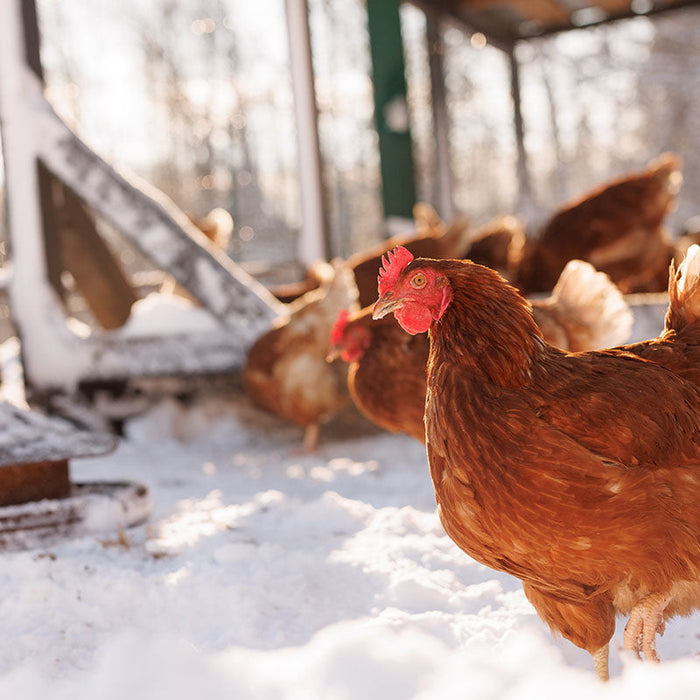
You like the idea of fresh eggs year round. But not all chicken breeds lay eggs in the winter — it's just too cold. But there are some chicken breeds that are better layers than others in wintry weather. Check out these breeds, as well as tips and tools to help make their winter more pleasant.Read now -
>
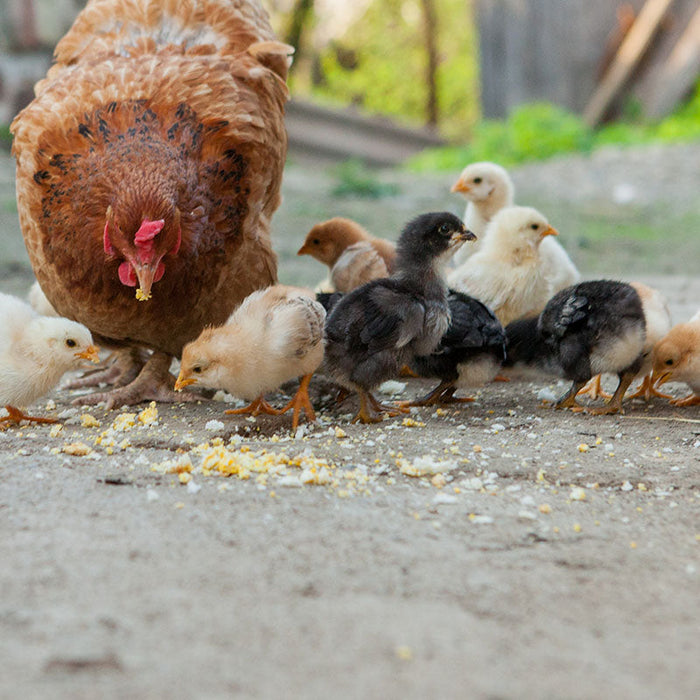
9 Types of Chicken Feed Explained
Read nowDomesticated animals depend on their owners for many basic needs: shelter, warmth, protection from predators, water, and of course, food. In order to stay healthy and productive, chickens require a diet that properly balances several essential nutrients.
This is partly because they have been selectively bred over the centuries for egg and meat production.1 This diet requires a fairly involved process of blending various grains and other ingredients. While you could literally make your own chicken feed from “scratch" (pun intended), this can be challenging. Many chicken owners prefer to use a commercially produced feed designed to provide a healthy and well-rounded diet for their flock. This is known as a “complete" feed, and there are several different variations available.

-
>
Winter Chicken Care: How to prevent chicken coop fires
Read nowYour chickens’ safety and comfort matter, especially during the winter. But heating the coop can be a fire risk. To keep your chickens safe when the temperatures drop, check out these tips to help prevent chicken coop fires.
-
>
Winter Chicken Care: Are heated dog bowls safe for chickens?
Read nowAs winter approaches, you need a reliable and safe heated water container to keep your chickens' water temperature above freezing. But how do you accomplish this? In this second article in our series on Winter Chicken Care, we'll explore options, including heated dog bowls. Learn more here.
-
>
Winter Chicken Care: How to safely winterize your chicken coop
Read nowWhen the temperatures start to drop, your chickens need more than their fluffy feathers to stay cozy. Whether you're sealing up drafts or adding safe heating options, a little winter prep can go a long way. Check out this guide to help keep your flock healthy and happy all winter long.
-
>
New Chick Care: How to safely move a chick from brooder to coop
Read nowYou've got your chicks started in the brooder. But they won't be there for long — they grow fast. While these days in the brooder are fun and interesting, they are also limited. Someday soon your chicks will need to move into the main coop. Keep reading to discover how to do it safely.
-
>
New Chick Care: How to prevent chicken brooder/heat lamp fires
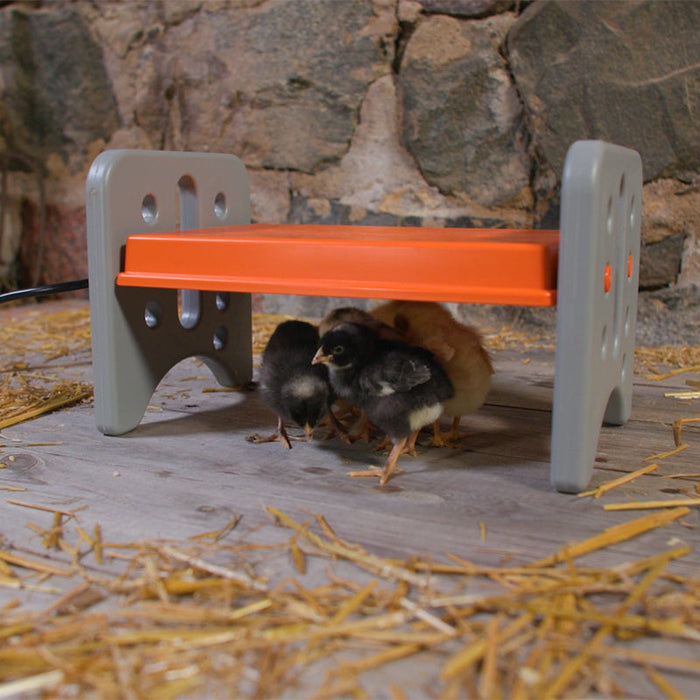
Read nowNot all heated products are created equal. This guide will help you better understand what to look for — and what to avoid — when you're shopping around for a heat source to keep your new baby chicks safe and warm.
-
>
Why are my chickens losing feathers?
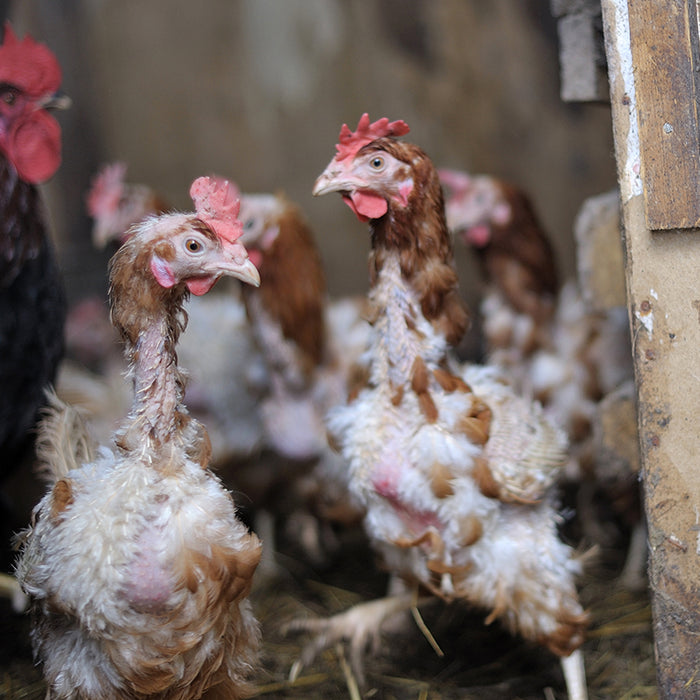
A handful of loose feathers on the floor of your coop isn't unusual, but if you're seeing lots of feathers around, it can be concerning. Is this normal? Why are my chickens losing feathers? In this new blog post, we'll explore reasons why chickens sometimes lose feathers and show you ways to help.Read now -
>
How to Keep a Chicken Waterer Clean
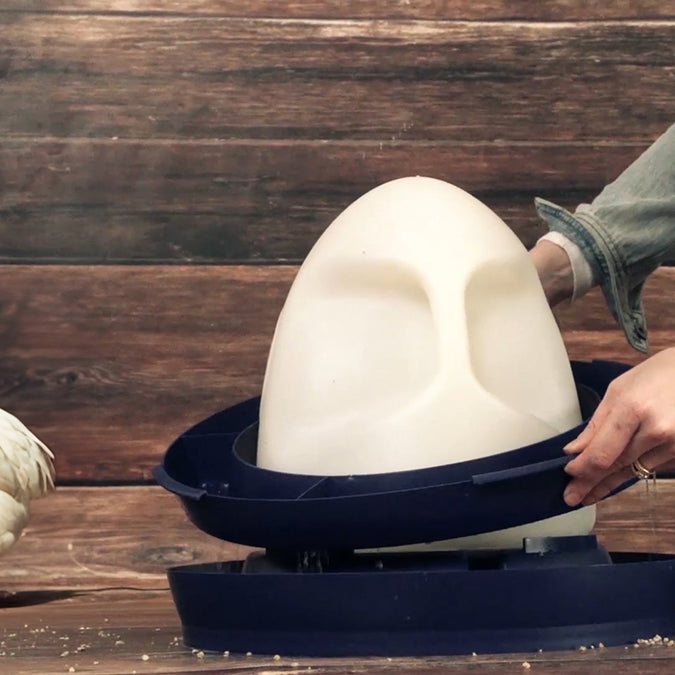
Chickens are messy! Keeping their coop and water source clean is essential to your chickens' overall health and happiness. By following these simple suggestions, you can keep your chickens' waterer clean and free from menacing bacteria and unwanted algae.Read now